Rodolfo Gaspar Biazon: Soldier, Solon, Statesman
A Life Dedicated to the Republic (1935–2023)
By Karl Garcia

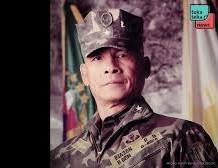

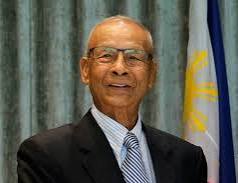
Early Life and Humble Beginnings
Rodolfo “Pong” Gaspar Biazon was born on April 14, 1935, in Batac, Ilocos Norte. His early years were marked by hardship: the death of his father when he was seven left his mother, Juliana Gaspar, to care for him and his three sisters alone. During the Japanese occupation in World War II, the family lived in a shanty in Cavite, and young Pong worked tirelessly—peddling goods, collecting recyclable materials, and performing physically demanding labor—to support the household.
Rather than fostering bitterness, these challenges instilled resilience, empathy, and a sense of responsibility that would guide his later service. He often reflected, “I know the cause of rebellion because I lived it,” emphasizing how his early life shaped his understanding of ordinary Filipinos’ struggles.
Family Life and Education
Education was a priority despite poverty. Biazon started Grade One at age eleven in 1946 and balanced study with work. His dedication and aptitude eventually led him to the Philippine Military Academy (PMA) in 1957. He graduated in 1961 as part of the PMA Class of 1961. Though academically ranked last, earning the title of “class goat,” he would rise to the highest military post in the country, demonstrating that determination and character can outweigh academic standing.
At the PMA, he met Monserrat “Monchie” Narag Bunoan. They married on December 3, 1961, and had three children: Rita Rosanna, Rino Rudiyardo, and Rozzano “Ruffy” Rufino, who would later pursue a career in public service.
Military Career: Early Years and Martial Law
Commissioned into the Philippine Marine Corps in 1961, Biazon embarked on a thirty-year military career marked by competence, integrity, and courage. The 1960s and 1970s were formative, as he participated in conventional and unconventional operations to address insurgencies and maintain internal security across the archipelago.
The declaration of Martial Law in 1972 tested the moral compass of the Armed Forces. Biazon distinguished himself by prioritizing ethics, troop welfare, and professional conduct in an era when political patronage and cronyism were rampant.
Leadership in Davao and Counterinsurgency
In the 1980s, Biazon commanded units in Davao City, a region facing insurgency and criminal activity. His leadership emphasized civilian protection, community engagement, and strategic discipline, building trust while effectively managing security challenges. This experience deepened his understanding of governance and social responsibility—lessons that would influence his legislative priorities.
Chief of Staff of the Armed Forces
In 1991, Biazon reached the apex of his military career as Chief of Staff of the Armed Forces of the Philippines (AFP). He focused on modernization, meritocracy, and welfare for enlisted personnel, reinforcing professionalism and civilian oversight. His tenure strengthened institutional integrity during the AFP’s transition from the Martial Law era.
From Military Service to Legislative Leadership
Upon retirement, Biazon transitioned seamlessly into political life. He was elected Senator in 1992, serving until 2010, and later became Representative for Muntinlupa (2010–2016). His legislative focus reflected his military and ethical background: national defense, soldier and veteran welfare, social equity, housing, and education.
Confirmed Legislative Achievements: Senate
Biazon authored or sponsored several key laws:
Republic Acts (Enacted)
- RA 9208 – Anti-Trafficking in Persons Act of 2003
- RA 9161 – Rental Reform Act of 2002
- RA 7835 – Comprehensive & Integrated Shelter Finance Act
- RA 7898 – AFP Modernization Act
- RA 7742 – Amendment to Mandatory Pag-IBIG Membership
- RA 7901 – Creation of CARAGA Region
- RA 7889 – Establishment of UP Mindanao
- RA 7863 / RA 8763 – Home Guaranty Corporation Law & Amendments
- RA 9040 – Tax Exemption for AFP Allowances & Benefits
- RA 9049 – Monthly Gratuity & Privileges for Medal of Valor Awardees
Joint Resolutions
- Joint Resolution No. 7 – Increase in subsistence allowances for soldiers and policemen
These laws reflect his focus on military modernization, veteran welfare, housing, social protection, and anti-trafficking initiatives.
House of Representatives Bills (Muntinlupa, 2010–2016)
During his term as Congressman, Biazon authored numerous bills addressing education, infrastructure, agriculture, tax reform, defense, firearms regulation, and government transparency. Selected highlights include:
15th Congress (2010–2013)
- HB 3576 – Establishing Sucat National High School
- HB 3577 – Strengthening Laguna Lake Development Authority
- HB 3578 – National Railway System
- HB 3586 – Magna Carta for Agricultural Development Workers
- HB 4617 – AFP Peacekeeping / Expeditionary Force Law
- HB 5484 – Comprehensive Firearms, Light Weapons & Ammunition Regulation Act
16th Congress (2013–2016)
- HB 1 – National Defense & Security Act
- HB 3 – Articles of Military Justice Act
- HB 4 – National Transportation Safety Board
- HB 5 – Customs Modernization Act
- HB 475–484 – Various social, education, environmental, and tax reforms
These bills demonstrated his continued focus on national security, defense, education, social equity, and governance.
Legacy and Values
Rodolfo Gaspar Biazon’s life exemplified service, discipline, and integrity. From surviving wartime hardships to rising as Chief of Staff and respected legislator, his trajectory demonstrates the transformative power of resilience and ethics. His legacy is reflected in three pillars:
- Champion of Soldiers and Veterans – Strengthened welfare, allowances, and modernization programs.
- Legislative Vision – Enacted laws on defense, social protection, housing, education, and anti-trafficking.
- Inspiring Public Service – A family tradition continued by his children, especially his son Ruffy.
Colleagues remember him as approachable, humble, and steadfast in commitment to the Republic.
Conclusion
Rodolfo “Pong” Gaspar Biazon passed away on July 13, 2023, at age 88. His life spanned some of the Philippines’ most challenging eras—from Japanese occupation to Martial Law, from insurgencies to democratic restoration. His enduring legacy is measured not by wealth or titles, but by principled leadership, tangible public service, and the improvement of lives.
Biazon’s story is a testament to the enduring value of integrity, discipline, and service above self. He was a soldier, a solon, and a statesman, leaving an indelible mark on Philippine history.


 The Society of Honor by Joe America