The Abaya Family: Military, Politics, Technocracy, and Business

By Karl Garcia
1. Patriarch: Plaridel Abaya
Plaridel Abaya, born in 1934, is the patriarch of one of Cavite’s influential political families. He served 28 years in the Armed Forces of the Philippines, retiring as a colonel. After his military career, he entered politics and became Congressman of Cavite’s 1st District (1995–2004). Plaridel married Consuelo Aguinaldo, granddaughter of Philippine President Emilio Aguinaldo, linking the family to historic political prestige.
He was also connected to business networks, particularly the Kamagong Builders and Developers Corporation, a major construction contractor in Cavite that handles large infrastructure projects. While public ownership records are limited, the firm is widely associated with the Abaya family’s political-business network.
2. The Political Dynasty: Sons of Plaridel Abaya
Jun Abaya
- Full name: Jose Luis “Jun” Abaya
- Congressman of Cavite’s 1st District (2004–2012)
- Secretary of Transportation and Communications (DOTC) under President Benigno Aquino III (2012–2016)
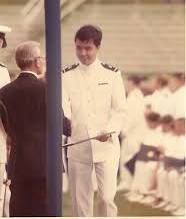
- Former Philippine Navy officer and US Naval Academy graduate
- Oversaw MRT-3 operations and infrastructure projects during DOTC tenure
Jun is the most nationally recognized member of the family, bridging the family’s local political influence with national-level bureaucracy.
Francis Gerald Abaya
- Congressman of Cavite’s 1st District (2013–2022)
- Architect by profession
- Continued the family hold on the district following Jun’s departure
Paul Plaridel Abaya
- Local government politician in Cavite
- Ran for Congress in 2022 (lost to Jolo Revilla)
- Former vice-mayor candidate (verified in local election records)
Peter Anthony Abaya
- Technocrat and government executive
- Son of Plaridel Abaya
- Held key roles in Philippine agencies:
- Director, Environmental Management Bureau (DENR)
- Undersecretary, Department of Energy
- CEO/GM, Philippine Reclamation Authority (PRA)
- Headed PNOC-Alternative Fuels Corporation
- Oversaw reclamation projects, environmental compliance, and infrastructure development
Peter Abaya represents the technocratic arm of the Abaya family, leveraging both professional expertise and family political networks to serve in government administration rather than elected office.
3. Business and Government Intersections
The Abaya family illustrates the common Philippine pattern of political-business-technical integration:
| Aspect | Family Member / Entity | Role / Notes |
|---|---|---|
| Military / Police | Plaridel Abaya | Colonel, AFP |
| Congress | Plaridel → Jun → Francis | Cavite 1st District |
| Cabinet / National Bureaucracy | Jun Abaya | DOTC Secretary |
| Local Government | Paul Abaya | Vice-mayor / congressional candidate |
| Technocracy / Reclamation | Peter Abaya | PRA GM/CEO, PNOC-AFC, DENR |
| Contractor / Business | Kamagong Builders | Infrastructure projects in Cavite, linked to family |
The Kamagong Builders and Developers Corporation reflects the family’s engagement in infrastructure contracting, a common complement to political influence. Their projects are mostly regional, but the network allows strategic participation in government-funded construction.
4. Patterns and Implications
The Abaya family embodies a multi-layered dynastic model in the Philippines:
- Military foundation → Plaridel’s AFP career gave the family credibility and discipline.
- Political succession → Congressional representation passed from father to sons (Jun, then Francis), showing strong local dominance.
- National technocracy → Peter Abaya’s roles show family reach into regulatory and infrastructure agencies, ensuring influence beyond electoral politics.
- Business integration → Connections with Kamagong Builders demonstrate how political power can intersect with private contracting networks.
This model allowed the Abayas to dominate Cavite politics for nearly three decades, influencing policy, infrastructure development, and local governance. Their national relevance peaked during Jun Abaya’s DOTC tenure and Peter Abaya’s management of the Philippine Reclamation Authority.
5. Conclusion
Plaridel Abaya and his children illustrate the convergence of political, military, technocratic, and business power in a single Philippine family. The sons’ careers reflect both continuity in elected positions (Jun, Francis, Paul) and strategic bureaucratic influence (Peter) in national agencies like the PRA. Their combined influence underscores the enduring pattern of political dynasties integrating multiple levers of power—political, administrative, and economic—within a local-national context.
In essence, the Abayas are a case study of how a family dynasty navigates Philippine governance, blending electoral success, technocratic authority, and business participation into a lasting socio-political footprint in Cavite and beyond.


 The Society of Honor by Joe America