 Wilfredo G. Villanueva
 Cha Coronel Datu
 Juana Pilipinas
 Karl Garcia
 giancarloangulo
 Irineo B. R. Salazar
 JPilipinas
 karlgarcia
 JoeAm
JoeAmMining Our Past, Saving Our Future: Why the Philippines Needs Landfill Mining and Smart WtE
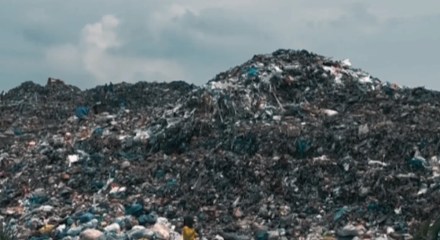
By Karl Garcia Beyond slogans, beyond moral fights, toward industrial-scale environmental solutions For decades, environmental debates in the Philippines have revolved around a single, tired binary: Zero Waste vs. Incineration. NGOs condemn burning. LGUs defend Waste-to-Energy (WtE). Corporations stay silent. And while the debate rages, rivers clog, mountains are mined, landfills overflow, and cities sprawl … Continue reading
Philippines at Sea: How the National Maritime Council and Blue Economy Bills Can Transform Our Oceans
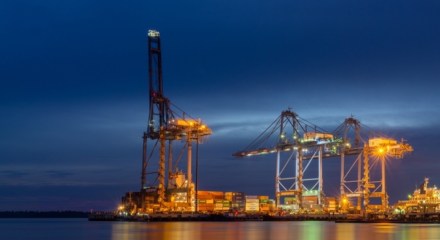
By Karl Garcia The Philippines is a nation defined by its waters. As an archipelagic state with thousands of islands, our seas are more than just borders—they are the backbone of our economy, the source of livelihoods for millions of fishermen, and the arena where our sovereignty is tested. Yet, for all their importance, our … Continue reading
Philippine Agriculture: Between Policy Promise and Ground Reality
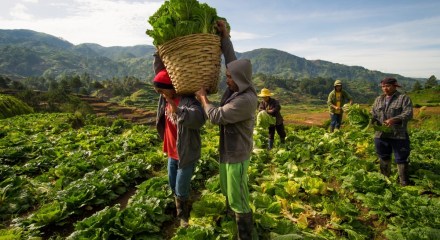
By Karl Garcia In the continuing debate on food security and agricultural reform, one question keeps returning: Are our institutions, policies, and leadership truly aligned with the needs of Filipino farmers? The discussion around rice self-sufficiency, farm modernization, and climate adaptation is not new — but the urgency has deepened as farms shrink, yields plateau, … Continue reading
The Integrated Archipelago: Forging Philippine Resilience through Infrastructure, Maritime Governance, and Blue–Green Industrial Convergence
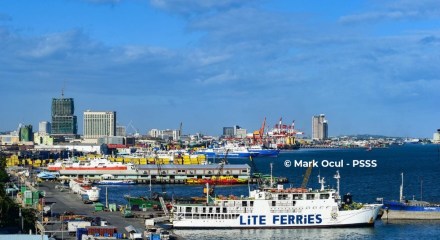
Author: Karl Garcia Abstract This blog article presents a vision of the Philippines as a connected, sovereign, and sustainable maritime nation — achieved through the integration of infrastructure, maritime governance, and blue–green industrial development. Building upon the Philippine Nautical Highway, inter-island bridge and railway projects, EO 57 (2024) on maritime governance, and the Blue Economy … Continue reading
“One small step for Filipinos”

Analysis and Opinion By Joe America Recent discussions here at the blog cite the reality that the Philippine governmental process, and citizen reactions to it, range from dysfunctional to toxic. It is such a mess that it cannot be “cured” by simple masterstrokes. It is also true that things work better here than in the … Continue reading


 The Society of Honor by Joe America