 Wilfredo G. Villanueva
 Cha Coronel Datu
 Juana Pilipinas
 Karl Garcia
 giancarloangulo
 Irineo B. R. Salazar
 JPilipinas
 karlgarcia
 JoeAm
JoeAmThe Philippines as Asia’s Humanitarian Lifeline: Preparing for a Taiwan Evacuation Crisis
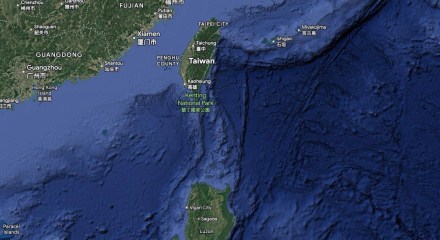
By Karl Garcia If conflict erupts in the Taiwan Strait—a scenario that experts now discuss with alarming regularity—the Philippines will be thrust into the center of one of the largest humanitarian operations in modern Asian history. This is not speculation. It is geography, demography, and inevitability. No other country sits closer to Taiwan. No other … Continue reading
An Open Letter to the Congress of the Philippines
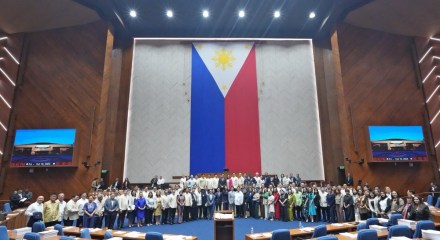
Honorable Members of Congress, I write as a private citizen who believes that democratic reform begins not with slogans, but with institutional discipline, accountability, and humility before the Constitution. First, I respectfully urge Congress to strengthen its oversight role over laws that remain unenforced because they lack Implementing Rules and Regulations (IRRs). A law without … Continue reading
Mining Our Past, Saving Our Future: Why the Philippines Needs Landfill Mining and Smart WtE
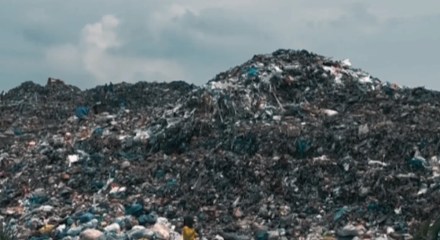
By Karl Garcia Beyond slogans, beyond moral fights, toward industrial-scale environmental solutions For decades, environmental debates in the Philippines have revolved around a single, tired binary: Zero Waste vs. Incineration. NGOs condemn burning. LGUs defend Waste-to-Energy (WtE). Corporations stay silent. And while the debate rages, rivers clog, mountains are mined, landfills overflow, and cities sprawl … Continue reading
Philippines at Sea: How the National Maritime Council and Blue Economy Bills Can Transform Our Oceans
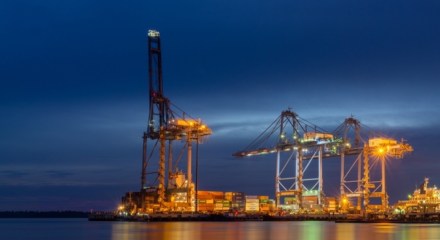
By Karl Garcia The Philippines is a nation defined by its waters. As an archipelagic state with thousands of islands, our seas are more than just borders—they are the backbone of our economy, the source of livelihoods for millions of fishermen, and the arena where our sovereignty is tested. Yet, for all their importance, our … Continue reading
Filipino Political Literacy, Middle-Class Agency, and Decades of Self-Assessment
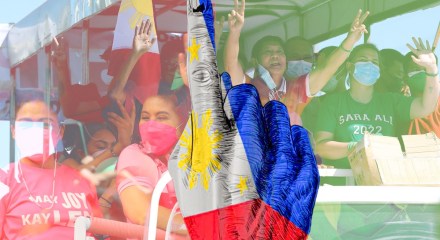
By Karl Garcia Over the past twenty years, two influential critiques of Philippine society have shaped public conversation:(1) Richard Heydarian’s 2025 observation that the Filipino middle class is “functionally literate but not politically literate,” and(2) the earlier discourse from Get Real Philippines (GRP), which framed national underperformance as rooted in cultural habits and civic attitudes. … Continue reading


 The Society of Honor by Joe America