 Wilfredo G. Villanueva
 Cha Coronel Datu
 Juana Pilipinas
 Karl Garcia
 giancarloangulo
 Irineo B. R. Salazar
 JPilipinas
 karlgarcia
 JoeAm
JoeAmThe left: why its political parties fail
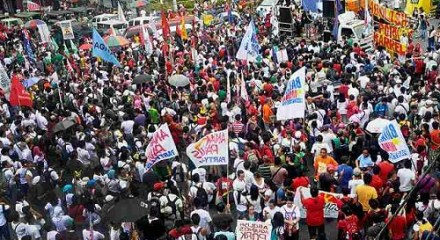
Thanks to reader Pinoyputi who directed me down this track when he wrote: “I wish that the leftists would grow up, use their brains and start a real Social Democratic Party of importance here.” A LITTLE MATTER OF PRESENTATION The first thing you notice about leftist parties is that they like exclamation points. It is … Continue reading
In defense of OFWs against nationalists

Here is a comment that someone at Raissa Robles‘ top blog threw at me the other day during a rather laborious debate over the Laude murder and other matters: “I don’t consider myself a leader of CPM for we are pure democracy here. No kings, no elected leader, but we are lead (sic) by our … Continue reading
The politics of tragedy. Yolanda.
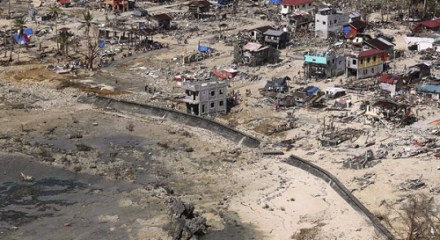
“We’ll survive, with or without President Aquino – Yolanda survivors” That headline ran in the Daily Inquirer on November 9, 2014, one of hundreds of articles dealing with the Yolanda impact and recovery a year and a day later. It reflects an enduring opinion held by some who dealt with the crushing tragedy of Yolanda … Continue reading
Has Harry Roque lost his marbles?
A while back, I expressed the opinion in this blog that the Philippines needed more advocates like Harry Roque (“Calling Harry Roque! Is Harry Roque in the Building?“). This opinion arose out of a recognition that advocates are needed to take on rooted and intransigent political and oligarchic business powers to get consumer legislation passed. After all, the Philippines … Continue reading
Senator Santiago shoots carabao, farm fails

Senator Santiago perplexes me. Her outspoken way is so refreshing and yet sometimes tiresome when I want serious solutions. She is one of few legislators with the courage to address the Binay matter. Her jokes are often quite funny. But I can not yet grasp that she is either a visionary or a manager. A … Continue reading


