 Wilfredo G. Villanueva
 Cha Coronel Datu
 Juana Pilipinas
 Karl Garcia
 giancarloangulo
 Irineo B. R. Salazar
 JPilipinas
 karlgarcia
 JoeAm
JoeAmA New Philippine Economic Plan: “Get out of the way!”

Let me offer up a negative characterization of the Philippines because it helps make some sense of the proposed economic solution that follows. Outsiders observe that Filipinos are always fighting among themselves. The battles are merciless, from bickering over national artists to bitter personal arguments on the Senate floor to coups and impeachments galore. The fighting has a … Continue reading
The working class: breaking out, moving up, or stuck?

A few blogs ago, I said that there are two voting classes in the Philippines, (1) those with opportunity to educate and enrich themselves and (2) those without. In the former are rich people and the middle class. People with the means to get educated, get a decent job and grow. Or people with connections, usually family … Continue reading
China’s plan to take Pagasa Island (Titiu), inhabited by about 200 Filipinos
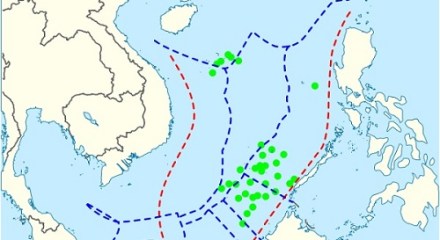
China’s enduring march to expand in the South China Sea is not flexible or fluid. It was set in action 10 years ago and is proceeding as scheduled. Every objection is met with a rebuff that paints the party objecting as an intruder into sovereign Chinese territory, as defined by the now-famous nine-dash line. Nothing the … Continue reading
The Philippines is now an English speaking nation; deal with it
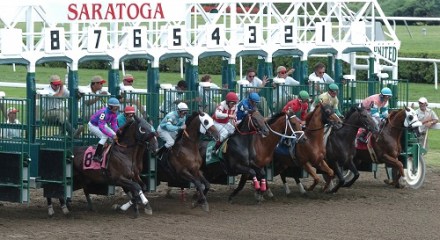
The term “deal with it” is an American idiomatic expression. It is normally used in a confrontational manner, as a final exclamation point. A translation would be, “tough luck, nothing’s going to change, so you have to accept it. Nyaah nyaah nyaah!” But I don’t mean it as confrontational. I mean it as polite advice. I … Continue reading
Questions that ought to be asked of Presidential contender Binay
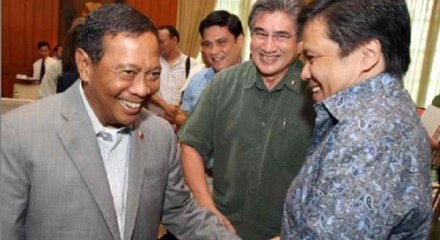
I’ve been disturbed by some of Vice President Jejomar Binay’s activities the past year or two. His cabinet duty is head of the National Housing Authority, so he has important things to do. But he seems to want to insert himself in other activities, almost as a “counter-balancing” president. It seems that he is working as … Continue reading


