Wilfredo G. Villanueva
 Cha Coronel Datu
 Juana Pilipinas
 Karl Garcia
 giancarloangulo
 Irineo B. R. Salazar
 JPilipinas
 karlgarcia
 JoeAm
Looking at the SONA through its different audiences
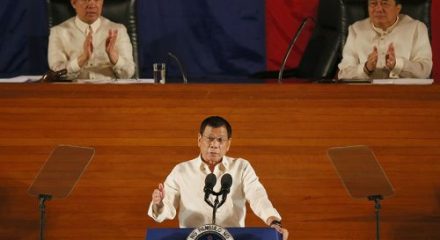
By Joe America President Duterte’s State of the Nation Address (SONA) meant different things to different audiences. Let’s reflect on them. These are my guesses, and you can add your own interpretations in the discussion that follows the article. The Congressional majority and even some minority members who do not want to be seen as … Continue reading
The Philippines: suffering from diseases way worse than dengue
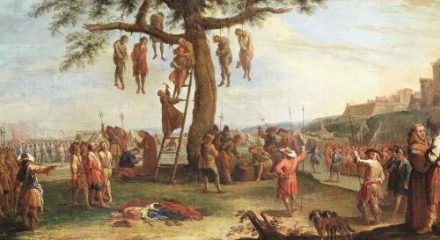
By Joe America I’m not a doctor or a health professional. I hate pills and feeling sick. I try to stay away from others who are sick. That is getting increasingly hard to do, of late, because there are several diseases spreading rapidly across the Philippine landscape. They have also reached America. Let’s look at … Continue reading
A history lesson missed by Poe, Gordon, Angara, Lacson, and a whole lot of other smart people
By Joe America Apolinario Mabini, the architect of the hatchling Philippine Republic’s ways and means, wrote over a century ago: The Revolution failed because it was badly led; because its leader won his post by reprehensible rather than meritorious acts; because instead of supporting the men most useful to the people, he made them useless … Continue reading
Things are pointing to love as the Filipino philosophy, the only way out
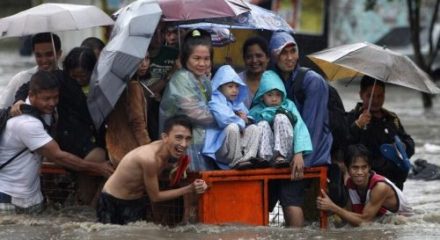
by Wilfredo G. Villanueva Such a saccharine term, love. But back against the wall, the Philippines seems at a standstill, or on the verge of civil war, generally nowhere to go, and we have to be our loving selves. See, if ever President Rodrigo Duterte finally gets called to hell as he fervently wishes, … Continue reading
The Philippines is not really a Catholic nation

By Joe America Occasionally, I write an article that is intended mainly to provoke discussion. Why? Usually because I am confused and the discussion that follows the article helps me sort out my ideas. This is one of those articles. About 86% of the Philippine population belongs to the Catholic Church (Center for Global Education). … Continue reading