 Wilfredo G. Villanueva
 Cha Coronel Datu
 Juana Pilipinas
 Karl Garcia
 giancarloangulo
 Irineo B. R. Salazar
 JPilipinas
 karlgarcia
 JoeAm
JoeAmPresident Quezon’s 1939 “Code of Citizenship and Ethics”, and the Philippines today
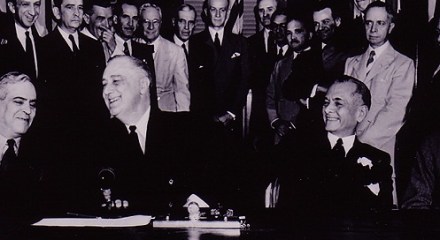
I suppose one approaches a pinnacle of presumptuousness when one decides to edit a Philippine president’s earnest works. Such are the demands on bloggers today, forever impelled to re-interpret the world to try to find a path less burdened, or more attuned to modern times. Yet, I somehow think that Philippine President Manuel L. Quezon would have … Continue reading
Can we kindly lose this “minimum credible defense” mentality?

I admire those who achieve a Level 5 state of leadership, an intense dedication to achievement based on a foundation of humility. The concept was taught to us by Society of Honor member LCpl_X during a recent blog. Be modest but drive, drive, drive to succeed. Frankly, I suggest we get the military to step up to … Continue reading
Philippine Internet speed

w by Irineo B. R. Salazar Introduction, Present Issues The Philippines ranks 16th worldwide in terms of number of Internet users, with nearly 40 million out of a population of nearly 100 million. Many Filipinos use social media heavily. However, the Internet in the Philippines is in bad shape, being very expensive and slow. … Continue reading
The National Budget as cake: the suggested algorithm of Mar Roxas
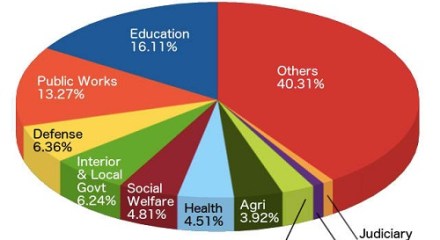
w By Popoy Del R. Cartanio Introduction Experiential rather than factual, issue-based rather than persons-oriented, dimmed-recall-based rather than a research output, these statements are my introductory take on the Philippines National Annual Budget. A blast from the past, it’s like magic. A University needed a building; has no money; nearly impossible to include a multi-million … Continue reading
“Nationalize the Telcos!”

The National need We read about the billions the economy loses due to Manila traffic congestion. I imagine the amount is a pittance next to what is lost due to the Philippine’s woeful internet speed and capacity. Consider the government agencies and businesses still pushing paper. Consider criminal investigaton agencies that cannot connect with one another, or the … Continue reading


