 Wilfredo G. Villanueva
 Cha Coronel Datu
 Juana Pilipinas
 Karl Garcia
 giancarloangulo
 Irineo B. R. Salazar
 JPilipinas
 karlgarcia
 JoeAm
JoeAmA $500 Million Bet on Bamboo: An Opportunity to Build a New Philippine Industry
By Karl Garcia The Philippines has no shortage of promising ideas. The greater challenge has often been transforming those ideas into industries that create lasting jobs, strengthen local economies, and compete in global markets. That is why reports that the government is exploring $300 million to $500 million in financing to develop a Philippine engineered … Continue reading
The Cycle of Cruelty
When Suffering Becomes a License to Make Others Suffer By Karl Garcia One of the more uncomfortable realities in Philippine society is that not all suffering produces compassion. Sometimes it produces resentment. Sometimes it produces indifference. And, in its darkest form, it produces a desire for others to endure the same pain. This mentality appears … Continue reading
From Overcrowded Jails to Smarter Justice: Why the Philippines Must Expand Community-Based Sentencing
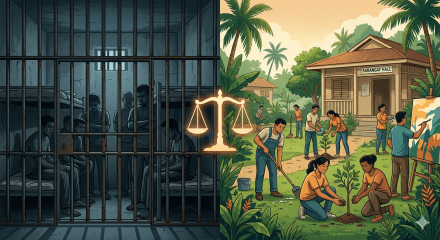
Justice Should Be Measured by Public Safety, Not Prison Population By Karl M. Garcia The Philippines has long struggled with a pattern of reactive governance. Rather than anticipating problems and investing in prevention, we often wait for crises before responding with sweeping enforcement measures. When a problem becomes highly visible, the instinct is to tighten … Continue reading
The Anti-Dynasty Bill: Congress Finally Agrees to Maybe Stop Being Itself

Analysis and Opinion By Joe America After 38 years of constitutional foot-dragging so impressive it deserves its own museum wing, the House of Representatives has passed an Anti-Political Dynasty Act. On final reading. With 267 votes in favor. Pause and let that sink in: a chamber where eight out of ten members belong to a … Continue reading
The Philippines Needs Its Own Thomas Greshams

Institution Builders, Merchant Modernizers, and the Missing Layer in Philippine Development By Karl Garcia Who Was Thomas Gresham — And Why Does He Matter? Most people vaguely recognize the term “Gresham’s Law” — the principle commonly summarized as “bad money drives out good.” Far fewer know the man behind the name. Thomas Gresham was not … Continue reading


